


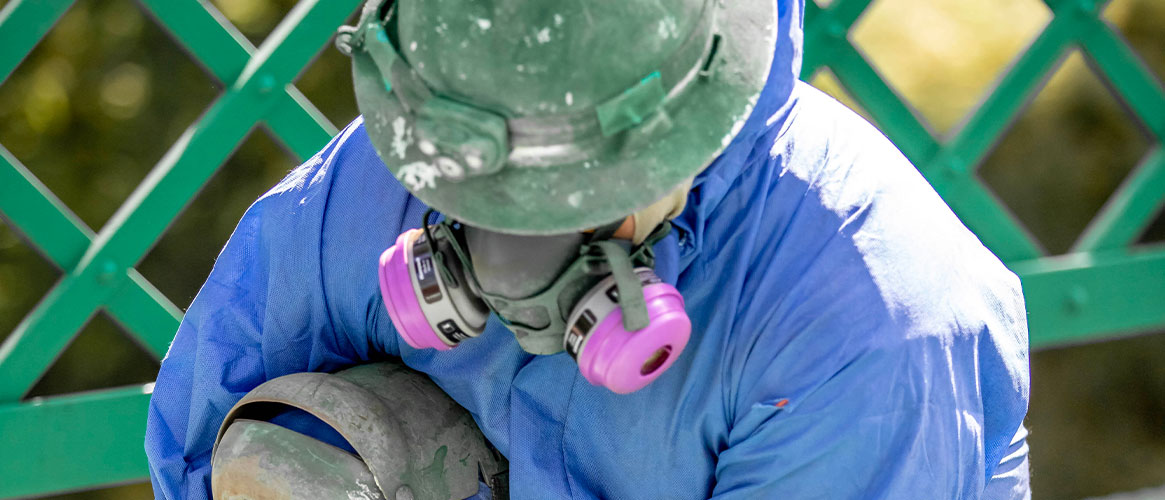
Breathing in airborne hazards like dust, fumes, or smoke puts your workers’ health at risk. If these conditions are present at your workplace, you need a written respiratory protection program, as required by Cal/OSHA’s Respiratory Protection Standard. It’s a set of rules and steps to make sure workers use respirators correctly, details why respirators are needed at your workplace, and how to meet other requirements such as fit testing and changing filters in respirator cartridges.
Respirators are a type of personal protective equipment (PPE) that cover the nose and mouth, stopping the user from breathing in harmful substances. They must fit tightly to work right.
If respirators are required at workplace, follow these five steps to create and run a strong protection program:
1. Assess your workplace for hazards
Look for signs. Strong smells, visible dust, or worker complaints about the presence of airborne contaminants often signal the need for protection. Always read the Safety Data Sheet (SDS) that comes with any chemical product. These sheets tell you what is in the product and the permissible exposure limit (PEL).
Sample the air. The most reliable way to find out if you have hazardous air exposures is to collect air samples through the use of specific supplies identified by OSHA. You then compare the results to the PEL.
Respirators are used when:
- Required by a Cal/OSHA standard (working with asbestos, silica, or lead, for example, or a pesticide)
- Required by company policy
- Requested voluntarily by an employee for extra comfort or protection
2. Choose the right equipment
Once you know a respirator is needed, you must decide which type to use. This depends on the harmful substance and how much is in the air. Every respirator has an assigned protection factor (APF), which tells you how much protection it provides when used correctly. A higher APF means more protection.
| Respirator Type | Protection Level (APF) |
| Half-face mask | 10 |
| Full-face mask | 50 |
| SCBA (air tank) | 10,000 |
You calculate the maximum level it can handle—or maximum use concentration (MUC) by multiplying the respirator’s APF by the chemical’s PEL. The MUC is the highest level of contaminant that the respirator can protect against when worn correctly.
